
A deck may look perfectly fine on the surface… right up until the moment a board gives way, fasteners fail, or hidden moisture damage turns a relaxing outdoor space into a costly safety concern.
For many homeowners in the Tri-Cities, a deck is a valuable extension of the living space. Whether it is the setting for summer barbecues, a quiet spot for morning coffee, or a safe place for children to play, the deck is central to the home’s lifestyle and outdoor space.
However, constant exposure to sun, rain, moisture, and fluctuating temperatures can slowly wear down even well-built decks over time. Additionally, 2024 research indicates that Washington’s Tri-Cities are facing much cooler temperature patterns, which may impact how you’re prepping your deck for winter every year.
Awareness is the first step in protecting your home from the silent degradation that occurs through seasonal exposure. Let’s explore some of the most common problems you might face (and what you can do about them).
Why Deck Problems Develop Over Time
No structure is immune to time, particularly wooden decks that sit outdoors year-round.
Environmental exposure is the primary driver of deterioration. The harsh combination of UV rays from the sun, heavy rain, snow accumulation, and fluctuating temperatures causes materials to expand and contract, resulting in loose railing posts, loose nails or popped nails, and other structural problems.
Beyond the weather, initial construction quality plays a significant role in longevity. Additionally, different materials exhibit specific aging patterns that dictate when deck repair will eventually become necessary.
Top 10 Common Deck Problems
1. Wood Rot and Decay
Moisture is the greatest enemy of a wood deck. Prevention starts with proper sealing and clearing debris, such as wet leaves, from the gaps between boards so it’s completely dry.
2. Loose or Wobbly Railings
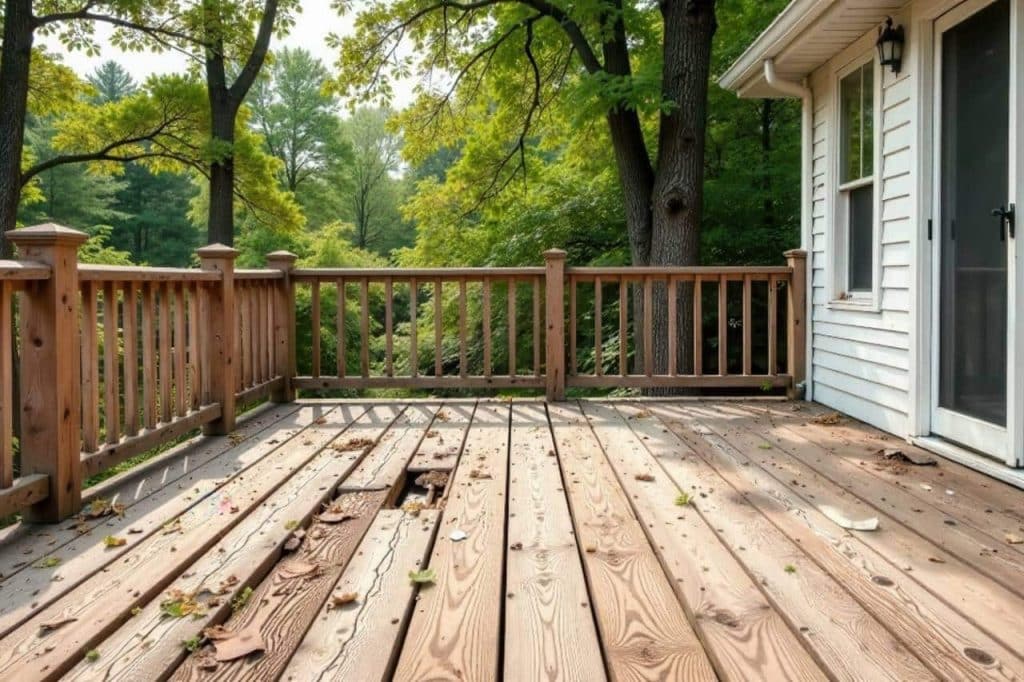
A railing that gives when you lean on it is a significant safety hazard. This is often caused by the wood around the mounting bolts drying out and shrinking over years of seasonal changes, or by improper original installation.
To test stability, give the railing a firm shake. If there is any movement, seek immediate deck repair before something catastrophic happens, such as your railings collapsing when someone leans on them.
3. Cracked, Splintered, or Warped Boards
Continuous weather cycles can cause wood fibers to break apart and split wood. Depending on the severity, you may need to decide between replacing loose boards or refinishing your entire deck surface.
4. Popped or Corroded Fasteners
As wood ages and moves, it can push nails out, creating popped fasteners and loose screws that catch on bare feet and shoes. Using the wrong types of screws that aren’t rated for pressure-treated wood can lead to rapid corrosion that weakens the connection between the decking and the frame, and can cause structural damage.
5. Ledger Board Separation
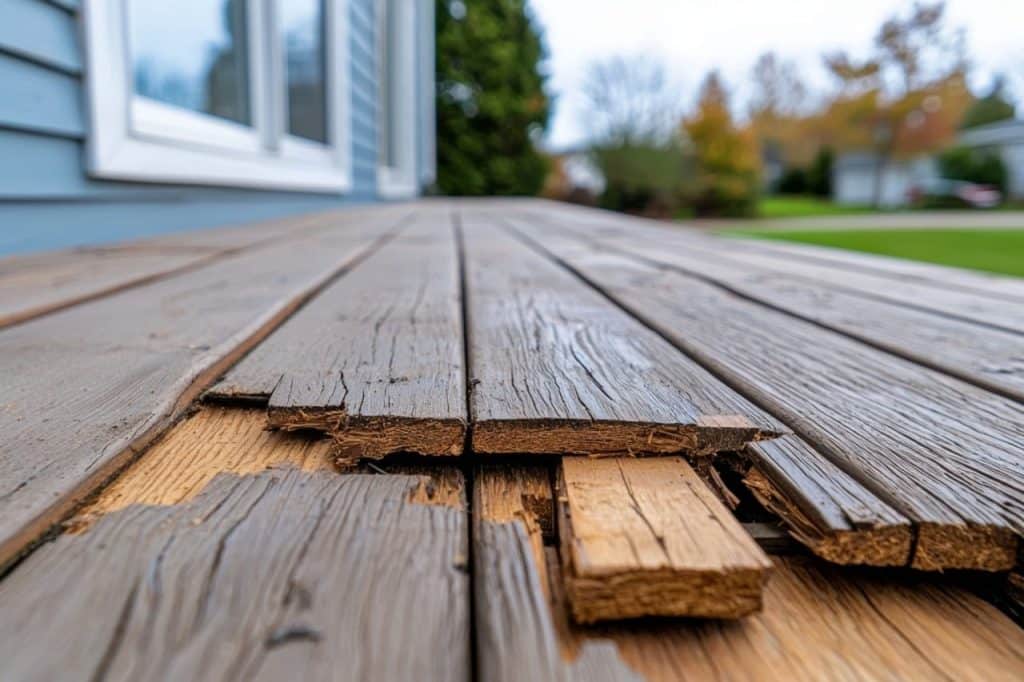
The ledger board connects your deck to your house. If this connection fails, the entire structure can collapse away from the home, requiring extensive repairs. This is perhaps the most dangerous of all deck problems.
6. Deteriorated Flashing
Flashing is the metal or plastic shield that prevents water from seeping behind the ledger board and into your home’s rim joist. If it is missing, improperly installed, or rusted through, it can cause hidden rot within the house walls, major deck damage, and other deck issues.
7. Structural Post and Beam Issues
The foundation of your deck relies on the integrity of its posts and beams. Over time, posts can shift due to soil movement or rot if they were placed in direct contact with the ground rather than on concrete piers, which could necessitate a whole deck replacement.
8. Failed Drainage
A deck should be slightly sloped or have adequate spacing between boards to allow proper drainage. If water accumulates in puddles on the surface or saturates the ground underneath without draining away, it accelerates rot and promotes the growth of mold and mildew.
9. Failed Finish

UV rays degrade the protective stain or paint more quickly than almost any other factor. Maintaining a strict refinishing and deck staining schedule is the best way to avoid costly structural deck repair and more complex repairs down the road.
10. Pest Damage
Termites and carpenter ants love damp, decaying wood. Treatment and prevention are necessary to stop these pests from compromising the core of the structure.
According to our State Department of Health, there are plenty of pests that could infiltrate your Washington deck, from European fire ants to fleas, spiders, rodents, and ticks.
Safety Concerns: When Deck Problems Become Hazardous
Many deck problems directly impact load capacity and structural integrity. A deck that was built 10 or 20 years ago may no longer meet current building codes like a new deck would.
Red flags and common issues that require immediate attention include noticeable swaying when people walk on the deck, deep cracks in support posts, or visible rot on the main carrying beams.
Addressing these hazards immediately is the only way to protect your family.
Prevention Through Maintenance
The best way to minimize the need for extensive deck repair is a proactive maintenance plan. We recommend a regular inspection schedule, at least once every spring, to look for signs of wear.
Seasonal maintenance tasks should include:
- Clearing debris from between deck boards
- Trimming back bushes or trees that keep the deck in constant shade
- Checking for loose hardware
- Resealing or refinishing as soon as water stops beading
Preventive maintenance saves significant money over time by catching small issues before they become structural failures.
DIY vs. Professional Deck Repair
Tasks such as tightening screws, cleaning the surface, or applying a fresh coat of stain are perfectly appropriate for a DIY weekend. When it comes to structural issues, ledger board connections, post replacements, or stair safety, it’s best to call a professional for their expertise.
Professionals check that all work is code-compliant and that necessary permits are obtained. While a DIY fix might seem cheaper today, an incorrect structural repair can lead to long-term costs or even liability issues.
How Simpson Decks and Construction Addresses Deck Problems
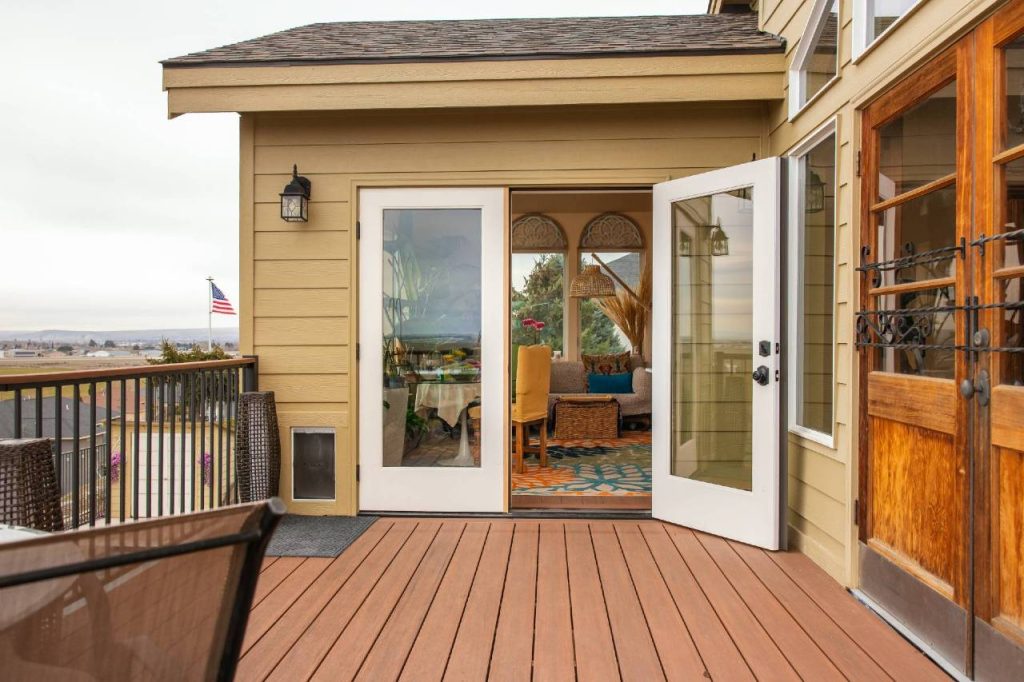
At Simpson Decks and Construction, we understand the nuances of deck aging and the specific climate challenges faced by homeowners in the Tri-Cities. Our comprehensive inspection process is designed to diagnose both visible symptoms and hidden structural issues.
When we perform a deck repair, we address the root causes so the fix lasts. Whether you need a simple railing stabilization or a complex structural overhaul, we provide honest guidance on whether repair or full replacement is the most cost-effective and safest path forward.
Our track record is built on a commitment to safety, quality, and transparent communication.
Keep Your Investment Secure
Your deck should be a place of relaxation and joy, not a source of stress or safety concerns. By staying vigilant and understanding the common deck problems that can arise, you take the first step in preserving your home’s outdoor beauty.
When the time comes for a professional deck inspection, choosing a team with specialized construction knowledge guarantees the job is done right the first time.
Concerned About Deck Problems at Your Home? Get a Professional Assessment From the Deck Experts
Contact Simpson Decks and Construction today for a comprehensive deck inspection. Our experienced team will identify any deck problems, explain your options, and provide honest recommendations for deck repair that protect your family’s safety and your investment. Call us now or schedule your inspection online. Let’s keep your deck safe, beautiful, and ready for years of outdoor enjoyment!