
In Southeastern Washington, outdoor living is an integral part of how many homeowners enjoy their space. However, the Tri-Cities area (Kennewick, Pasco, and Richland) experiences distinct weather conditions that can make patio design both exciting and challenging.
With triple-digit summer heat, steady Columbia Basin winds, and winters that bring freezing nights and occasional snow, Tri-Cities homeowners are turning to patio covers that prioritize durability, shade control, and year-round performance.
In fact, over 70% homeowners today are choosing to invest more in outdoor living enhancements like patio covers and shade structures as part of broader outdoor renovation projects, reflecting a growing trend toward year-round functionality and comfort.
The right cover extends the use of outdoor areas year-round and helps protect furniture, decking, and personal space from the elements.
If you are planning to update or add a covered outdoor area, it helps to understand how different materials and styles perform in this climate.
Let’s explore the best patio covers for the Tri-Cities and how you can choose the perfect fit for your home.
Understanding the Tri-Cities Climate

Living in the Tri-Cities means enjoying about 300 sunny days each year, but that sunshine comes with heat and strong UV rays. Summers are hot and dry, while winters can bring cold winds and occasional snow. Gusty spring and fall winds are common, which makes structural stability an essential part of any outdoor project.
Because the region’s conditions can be harsh on outdoor materials, choosing the right patio cover materials directly affects the comfort, appearance, and longevity of your outdoor space. Materials that resist sun fading, heat damage, and wind stress will perform best in Benton and Franklin Counties’ climate.
Why Patio Covers Matter in Eastern Washington
Adding a patio cover turns any deck or patio into a comfortable living space in all seasons. Shade during the summer makes outdoor areas enjoyable, even on hot days, while wind and snow protection make the area usable during cooler months.
A well-placed and properly built cover:
- Blocks direct sunlight, reducing heat and glare
- Protects floors, furniture, and décor from UV damage
- Extends outdoor living seasons by moderating temperature
- Adds property value by increasing usable square footage
In this region, patio covers are not just an aesthetic upgrade; they are a practical investment for comfort and home longevity.
Common Types of Patio Covers
Every home layout benefits from a different patio cover design. The most popular types of patio covers for Tri-Cities homes include:
- Solid patio covers
- Lattice patio covers
- Pergola-style covers
- Aluminum patio covers
- Wood patio covers
No matter which style you choose, the right patio cover should complement your home’s layout, climate, and how you actually use your outdoor space. Taking the time to consider shade, durability, and maintenance now helps create a patio that stays comfortable and usable throughout the year in the Tri-Cities.
Comparing Patio Cover Materials
Choosing the right patio cover materials is key to long-term satisfaction. Each option behaves differently in the Tri-Cities climate.
Wood Patio Covers
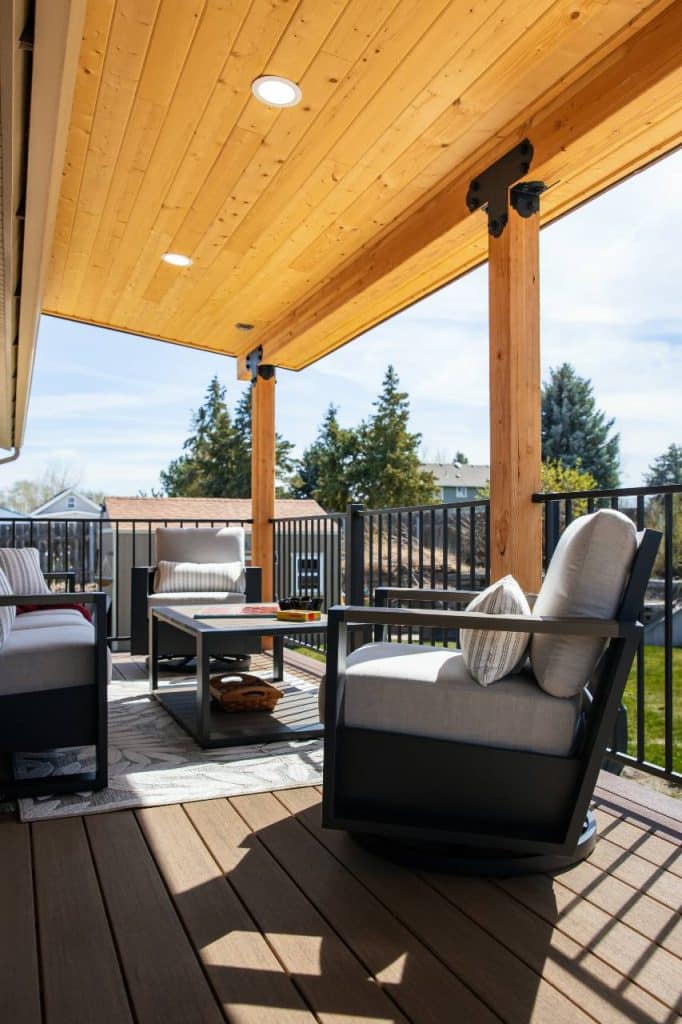
Wood works well for homeowners who want a natural, classic aesthetic. It can be shaped, stained, and painted to match any home. However, in dry, sunny conditions, wood will need regular sealing or staining to resist drying, color loss, and warping. Yearly maintenance helps preserve its look and performance.
Aluminum Patio Covers
Aluminum is strong in extreme weather and resists rust and fading. It reflects heat effectively, keeping outdoor spaces cooler during peak summer. It also performs well in windy conditions, making it suitable for Kennewick and Pasco’s breezy neighborhoods. It is relatively maintenance-free, requiring only occasional cleaning.
Composite or Engineered Materials
Composite covers blend synthetic materials for improved strength and weather resistance. These materials resist warping and decay, holding up well under both summer heat and winter moisture. They are designed to retain their color and finish longer than wood, making them an excellent long-term choice for homeowners prioritizing durability.
Solid vs Open-Style Patio Covers
Your comfort preferences determine whether a solid or open-style cover is better.
Solid covers completely block sunlight, creating full shade and cooler temperatures underneath. These are especially practical in the Tri-Cities’ hot July and August weather. They also protect from rain or snowfall.
Open-style covers, such as lattice or pergolas, let in filtered light and allow air circulation. They work well for patios facing prevailing winds or areas where a breezier, more natural environment is preferred.
Mixing both types in one setup, such as a solid cover over a dining area and a lattice cover over a sitting space, can give the best balance of light and ventilation.
Design and Orientation Considerations
Every property has a different exposure to the sun. The direction your patio faces significantly affects material choice, size, and coverage. A south-facing patio will need more shade protection, while an east-facing one may only need partial shading for morning light.
When planning, think about:
- The direction of sunlight and the desired shade areas
- Existing structures like decks or pergolas
- Roofline compatibility for smooth attachment
- Desired size and coverage for outdoor gatherings
Designing the patio cover as part of your home’s overall structure helps it look integrated rather than added on.
Patio Cover Maintenance and Longevity Factors
Maintenance frequency depends on the type of patio cover materials you choose. Wood covers need regular repainting or sealing to preserve color and texture. Aluminum and composite covers require far less upkeep, generally limited to cleaning with mild soap and water.
Because of the mix of hot summers and cold winters in Richland and neighboring areas, seasonal inspection is wise. Look for loose fasteners, signs of corrosion, or fading finishes. Repairing early prevents more serious structural wear later.
A well-built patio cover can last for decades when properly maintained.
Custom Patio Cover Solutions
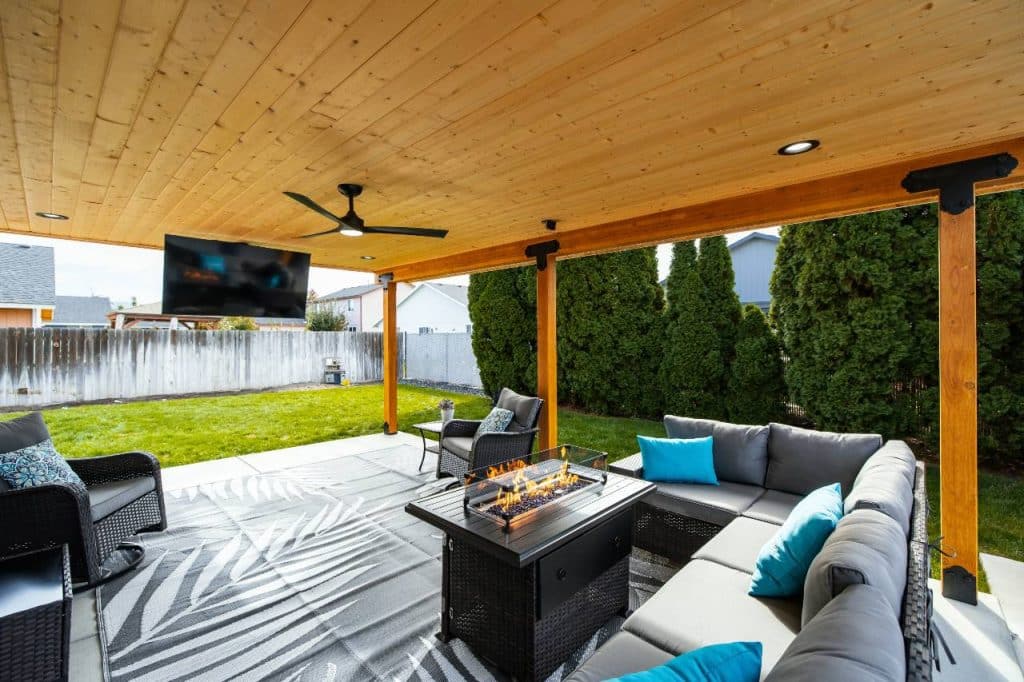
Every outdoor space is different. Custom options give homeowners the flexibility to design patio covers that match how they use their backyard. This can include combinations of solid and open roofs, built-in lighting, or extensions that connect to an existing deck or pergola.
Custom patio covers also allow freedom in scale, style, and materials. You can match the architectural lines of your home or add artistic elements such as columns, trim, or decorative lattice work.
By choosing the right combination, you can design a structure that feels permanent and purposeful instead of prefabricated.
When Professional Installation Matters

A strong patio cover starts with proper design and installation. Structural considerations such as wind load, snow load, and roof attachment are crucial in the Tri-Cities’ weather patterns. Professional installers understand how to anchor covers safely and comply with local building codes.
Building permits are usually required for new patio covers or adjustments that alter a home’s structure. A qualified contractor manages these details to prevent issues during and after construction. Working with experts also helps with material selection, correct spacing for airflow, and water drainage.
Find the Right Patio Cover for Your Tri-Cities Home
Choosing the best patio covers for the Tri-Cities climate means matching materials and design with real weather conditions. Each material offers its strengths: wood for style, aluminum for low maintenance, and composite for long-term durability.
Ultimately, the best choice depends on how you use your space and how much maintenance you prefer to do each year. Schedule a consultation with Simpson Decks and Construction to discuss patio covers designed for the Tri-Cities climate. Our team will help you select materials, styles, and layouts that fit your home and outdoor lifestyle perfectly.