
A deck always feels like a straightforward project. Right up until the budget grows a personality of its own.
In fact, a recent survey found that about 39% of homeowners exceed their renovation budget due to unexpected costs, often because they didn’t anticipate hidden expenses beyond labor and basic materials.
Decks fall squarely into this category: they look simple on the surface, but a host of site conditions, regulations, and necessary components quietly drive up the total deck installation cost.
In this guide, we’ll walk through the most commonly overlooked budget factors so you can plan realistically and avoid surprise expenses. You’ll learn about:
- Site preparation and grading
- Permits and code requirements
- Structural hardware and hidden components
- Railings, stairs, and safety add-ons
- Material upgrades
- Labor for custom features
- Long-term maintenance needs
- Utility tie-ins and functional add-ons
Overlooked Cost #1: Site Preparation & Grading
Before any decking material comes out of the truck, the ground beneath it has to be ready and that’s where many budgets start to stretch. Clearing brush, removing old concrete or patios, leveling uneven soil, or fixing drainage issues all add labor and equipment costs that homeowners rarely factor in early.
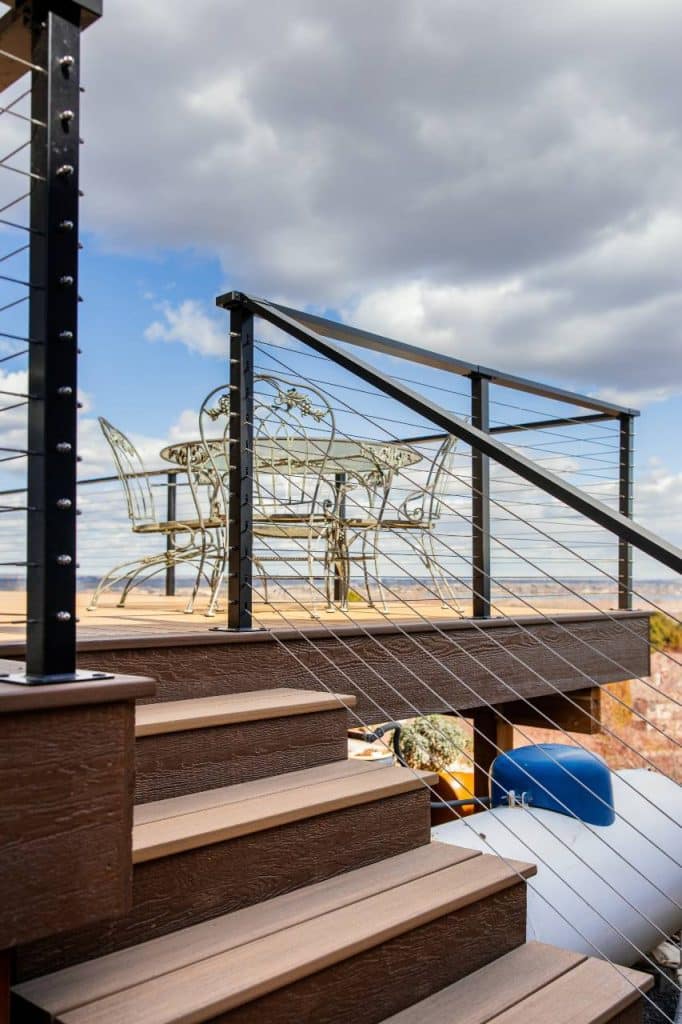
Soil across the Tri-Cities ranges from sandy to clay-heavy, and both can create problems if left alone. Poor drainage invites standing water around posts and footings, which shortens the life of a deck. Sloped yards may require grading or additional footings to create a safe, stable base.
All of this work happens before the deck even begins to take shape, but it sets the tone for the entire budget.
Overlooked Cost #2: Permits & Local Code Requirements
Permits don’t feel like a big line item until you’re deep in the process and realize how much they influence both cost and timeline.
Every city in the Tri-Cities, Kennewick, Richland, and Pasco, has its own permit fees, inspection steps, and engineering requirements. Depending on the size and complexity of the deck, those fees can range from a couple hundred dollars to more than $1,000.
Beyond the paperwork, permits often add design considerations homeowners weren’t expecting. Load requirements, footing depths, railing heights, and attachment methods all have to meet code, and changes made to satisfy an inspector can shift material and labor costs mid-project.
Ignoring this part of the budget is one of the quickest ways for a deck build to stall or drift into extra expenses.
Overlooked Cost #3: Hardware, Fasteners & Structural Components
Most homeowners focus on decking boards but forget that the structure underneath is where a big chunk of the budget actually lives. Joists, beams, footings, brackets, anchors, and corrosion-resistant fasteners all add up—and they’re non-negotiable for a safe, long-lasting deck.
In the Tri-Cities, weather swings and high summer heat put extra stress on outdoor structures, which means the hardware you choose matters. Upgrading to higher-grade metal, hidden fasteners, or heavier structural components increases upfront cost but prevents movement, rot, and early repairs down the road.
It’s not the flashiest part of the project, but it’s the part that determines how your deck feels and performs years later.
Overlooked Cost #4: Railings, Stairs & Safety Add-Ons
Railings and stairs are two of the biggest budget items homeowners forget to plan for. They’re required for most elevated decks, and the cost rises quickly based on height, layout, and materials.

Wood railings are the most affordable option, but many homeowners prefer aluminum or composite for the low upkeep and longer lifespan. That jump in material quality comes with a noticeable price difference.
Stairs add another layer. A simple straight run is one thing. But wide, wrapped, or multi-direction designs are something else entirely. Each step increases framing, labor, and hardware needs.
And if you want extras like gates, lighting, or child-safety features, those get priced separately too. These are the finishing touches that make a deck feel complete—but they’re also the ones most likely to push a budget past the original number.
Overlooked Cost #5: Material Upgrades
Decking material is one of the biggest drivers of overall cost, and it’s also where homeowners tend to underestimate how wide the price range really is.
Pressure-treated wood is the most budget-friendly option, but it comes with more maintenance and a shorter lifespan. Composite and PVC boards cost more upfront, yet they hold color better, resist moisture, and handle Tri-Cities temperature swings without warping or cracking.
Hardwoods sit in their own category. They’re beautiful and durable, but the price per board (and the specialized labor required) can move a project into an entirely different budget tier. Material choice also affects hardware, labor time, and long-term maintenance.
That’s why a deck that starts with the intention of “keeping it simple” often shifts once homeowners see how different materials look, feel, and perform.
Overlooked Cost #6: Labor for Custom Design Features
Customization is where a deck really starts to feel personal and where the labor costs climb faster than most homeowners expect. Built-in benches, planter boxes, privacy screens, drink rails, and multi-level layouts all require more time, more precision, and more skilled carpentry.
Even small upgrades, like angled board patterns or picture-framing the perimeter, add hours to the build. Lighting is another hidden labor item. Under-rail lights, stair lights, or integrated strip lighting look great, but they require careful installation and coordination with electrical work.
Each added feature increases the craftsmanship involved. None of these upgrades are “wrong,” but they can shift a project from a straightforward build to a more custom one, which means the labor line on the estimate grows right along with it.
Overlooked Cost #7: Long-Term Maintenance Needs
Most homeowners budget for the build itself and forget that every deck comes with ongoing care. The amount depends heavily on the material you choose.
Wood decks need regular staining, sealing, and cleaning. That’s often every two to four years in the Tri-Cities, where sun exposure and seasonal dust are hard on finishes. Those maintenance cycles add real cost over the life of the deck, both in materials and labor.
Composite and PVC decks don’t require the same level of upkeep, but they aren’t completely maintenance-free. Periodic cleaning, debris removal, and the occasional repair still come into play, though at a much lower cost and frequency.
Overlooked Cost #8: Utility Tie-Ins & Add-Ons
The functional add-ons homeowners love (lighting, outlets, gas lines, and under-deck drainage) often require licensed trades. That means additional labor, inspections, and coordination that don’t always make it into the initial budget.
Outdoor lighting is one of the most common surprises. Installing wiring during the build is far easier and cheaper than trying to add it later, but it still requires an electrician to do the work and bring everything up to code.
Gas lines for grills or fire features fall into the same category. They improve the space dramatically, but they involve trenching, fittings, permits, and a certified installer. And if you want a dry area beneath an elevated deck, under-deck drainage systems add another layer of materials and labor.
Why Working With a Professional Matters
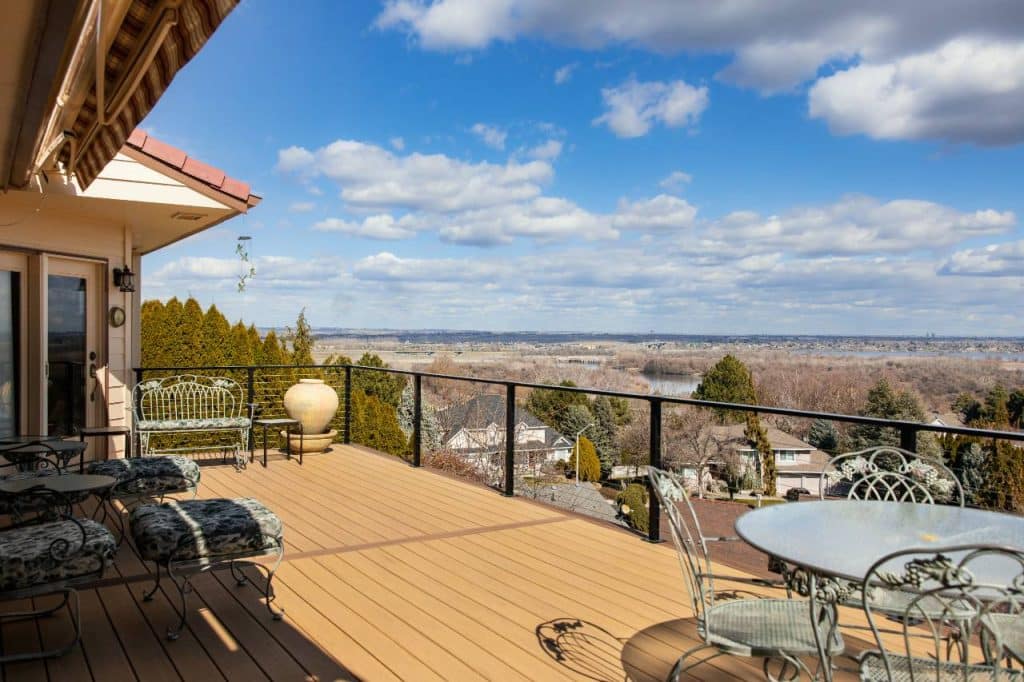
Homeowners usually see the finished surface of a deck. Professional deck installers see everything underneath it, such as the soil conditions, structural requirements, code limitations, and long-term maintenance needs.
That difference in perspective is what keeps a project on track and within a realistic budget.
Identifying Issues Before They Become Costs
Site prep, drainage, footing depth, hardware selection, and structural layout all influence the final price.
A professional builder can spot grading problems, permit requirements, and design challenges early, long before they turn into expensive changes mid-project.
Understanding How Design Choices Affect the Budget
Deck features don’t exist in isolation. Changing the material, adjusting the layout, or adding custom elements can shift labor, hardware needs, and timeline.
A professional understands how these variables interact and can guide homeowners toward decisions that fit both the vision and the budget.
Providing Accurate Estimates and Predictable Timelines
A detailed estimate from an experienced builder outlines the real cost of the project, not just the visible parts.
That clarity helps prevent the sticker shock many DIY or under-scoped builds run into. It also creates a smoother process, with fewer surprises and a clearer path from design to completion.
Why Choose Simpson Decks & Construction

Simpson Decks & Construction has built decks across the Tri-Cities for years, and that experience shows in how they plan, price, and execute each project.
Instead of focusing only on the visible parts of a deck, they walk homeowners through the full scope (the site conditions, the permitting, the hardware, the utilities, and the long-term upkeep) so the budget reflects reality, not guesswork.
Our team also specializes in premium PVC and composite materials, which perform especially well in the region’s mix of hot summers, cold snaps, and dry conditions.
Whether the project is a simple platform or a custom multi-level design, the goal is always the same: build a deck that lasts, looks great, and avoids the typical budget surprises.
Here’s what Simpson brings to the table:
- Clear, detailed estimates that cover every major cost factor
- Expertise with PVC and composite decking for longer-lasting results
- Local knowledge of codes, soil conditions, and permitting
- Strong structural planning that protects against movement, rot, and weather damage
- Custom design experience with built-ins, privacy features, lighting, and multi-level layouts
- A straightforward process with no vague allowances or hidden fees
Your Deck Budget Only Works When the Details Do
The strongest deck projects start with clear expectations. When you understand the full scope (prep work, permits, hardware, material choices, design features, and long-term upkeep), the entire build becomes easier to plan and far less likely to surprise you.
A realistic budget is what keeps the project moving, the decisions grounded, and the finished deck aligned with what you envisioned from the start.
If you’re ready to map out a deck project with clarity from day one, Simpson Decks & Construction offers detailed estimates, thoughtful guidance, and craftsmanship that holds up for years. When you’re ready to start planning, reach out!