
In Eastern Washington, winter is more than a chill in the air. The Tri-Cities region brings freezing temperatures, heavy rain, and the occasional snowfall, all of which can wear down an unprotected deck.
When decks aren’t prepped for the season, problems quickly follow, especially with older deck installations. Wood rot, warped boards, loose fasteners, and slick, unsafe surfaces are all common by late winter. Even PVC decks, while lower maintenance and rot-resistant, aren’t immune to harsh winter weather if neglected.
That’s why taking time to winterize your deck before the cold sets in matters. A few proactive steps this fall can protect your investment, preserve curb appeal, and ensure your outdoor living space is ready to enjoy when spring returns.
Step 1: Clear and Clean the Deck

Before you can winterize your deck, you need to start with a clean surface. Whether you have a wood or PVC deck, clearing the space gives you a fresh foundation for maintenance.
Remove Furniture and Accessories
Start by moving outdoor furniture, planters, grills, and other accessories off the deck. Storing them in a dry place will make cleaning easier and prevent items from leaving rust stains, mildew rings, or scratches on the surface.
Sweep Away Debris
Next, sweep away leaves, pine needles, and dirt. Leftover leaves or debris can trap moisture against the wood or composite decking, promoting rot and staining. Pay attention to corners and tight spots under deck railings, as these areas often collect debris.
Wash Thoroughly
Scrub the surface with a deck cleaner and stiff-bristle brush, focusing on traffic areas and corners where grime builds up. Never pressure wash PVC or composite decking—this can scratch or dull the surface permanently.
It’s best to avoid pressure washing wood decks as well. But if you must, keep the pressure washer under 1,500 psi, use a wide fan tip, and keep the nozzle about two feet from the deck surface.
Let the Deck Dry Completely
Before moving to the next step of winterizing your deck, allow the surface to dry fully. This often takes 24 to 48 hours, depending on the weather. Moisture trapped under treatments can compromise their effectiveness and lead to long-term issues such as peeling or mildew growth.
Step 2: Inspect and Repair

Inspecting your deck before cold weather sets in helps prevent small issues from turning into costly headaches. Here’s what to look for as you work through the inspection:
Check Fasteners
Loose screws or nails are common after a season of use. Tighten or replace them to keep the structure secure. For composite materials, confirm that brackets and specialty fasteners remain tight and undamaged.
Look for Damage
Examine deck boards for warping, cracks, or early signs of rot, such as soft spots. Walk across your deck slowly, checking for any boards that shift, creak, or move.
Inspect Railings and Stairs
Rails and stair treads deserve special attention. A loose railing or wobbly step becomes especially hazardous when the deck surface is wet or icy.
If you discover advanced rot, widespread warping, or anything beyond a DIY fix, it’s best to call a decking professional before the winter season rolls in. Addressing these issues now will ensure your deck remains safe and ready to handle the harsh months ahead.
Step 3: Seal or Stain (for Wood Decks)
Eastern Washington’s winters can quickly break down unprotected wood. As such, sealing or staining is essential to winterizing your wood deck installation.
High-quality sealants or weatherproof stains protect the surface by repelling water and preventing moisture from seeping into cracks. Look for products labeled for cold climates or resistance to mold and algae.
Use a brush, roller, or sprayer to apply an even coat, working it into gaps and the grain itself. Always follow the manufacturer’s drying instructions for best results.
Choosing the Right Sealant
For the Tri-Cities’ damp-to-freezing temperature swings, opt for a sealer rated for flexibility and long-lasting water protection. Products designed for variable climates will stand up better through winter and extend the life of your wooden deck.
Step 4: Protect Composite Decking (If Applicable)
Composite and PVC decks are known for lower maintenance. But you still need to winterize your deck to maintain its appearance and prevent seasonal damage.
Sweep leaves, needles, and other debris. Left too long, organic debris can cause staining and slippery algae growth.
Wash composite decks using a non-corrosive cleaner designed for plastics or synthetics, paired with a soft brush. Rinse thoroughly so residue doesn’t create icy spots. Keep gaps between boards clear so water drains—standing water that freezes can stress joints and create icy hazards.
Preventing Mildew and Surface Stains
In shady areas or beneath trees, be extra vigilant. Use only cleaners marked safe for your decking brand, and never sand or apply harsh chemicals, as these can void warranties or cause lasting damage.
Step 5: Cover or Store Accessories
Winter weather is hard not only on your deck but also on the items you keep outside. Move grills, outdoor furniture, planters, and décor into a shed, garage, or basement if possible. This keeps them safe from moisture, rust, and cracking caused by freezing temperatures.
If you don’t have indoor storage, invest in breathable, weather-resistant covers. These protect your belongings without trapping condensation underneath, which can damage both the furniture and the deck surface.
Step 6: Consider Adding Winter Features
If you plan to use your outdoor space through the colder months, a few upgrades can make it safer and more enjoyable.
Improve Drainage
Standing water is the enemy of both wood and composite decks. Consider adding downspout extensions, under-deck drainage, or minor grading adjustments to move water away from the structure.
Add Safety Features
Snow and ice can create dangerous conditions. Anti-slip mats, stair treads, or snow guards for nearby roofs reduce hazards and keep walkways more secure.
Upgrade for Year-Round Use
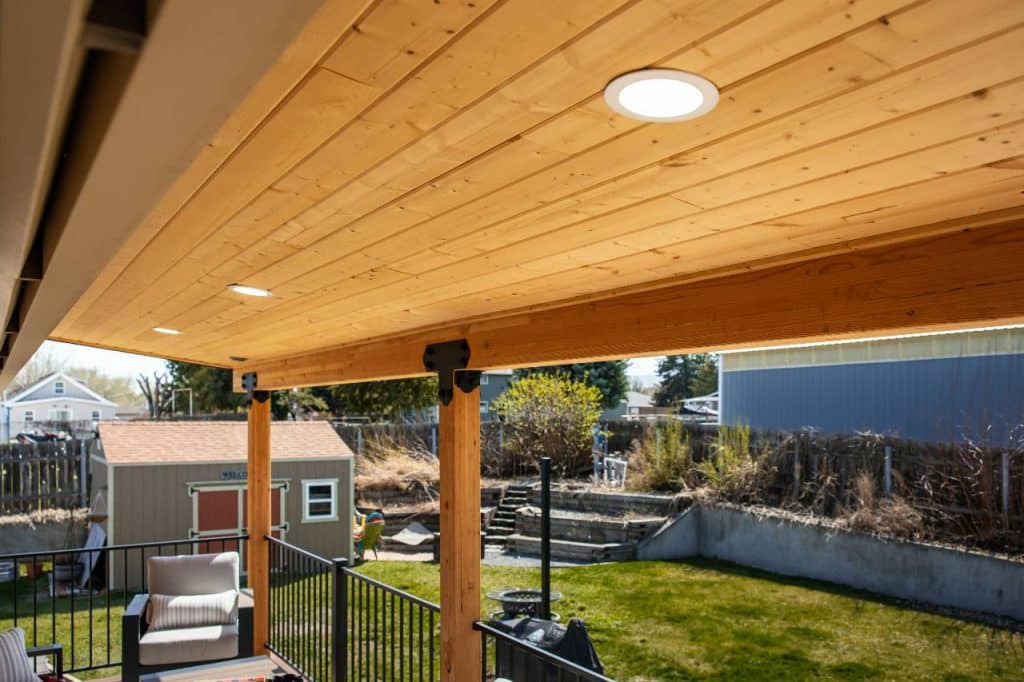
Covered patio extensions, windbreaks, or integrated lighting can transform your deck into a four-season living space. Even simple features like portable heaters and weatherproof rugs extend the time you can comfortably enjoy your deck.

Why Winterizing Matters
Taking the time to winterize your deck protects your investment, improves safety, and preserves curb appeal through the harshest months. From sealing wood and cleaning composites to tightening fasteners and storing accessories, each step adds years of life to your outdoor living space.
Ready to Winterize?
Don’t wait until the first freeze catches you off guard. Simpson Decks and Construction has the expertise, tools, and local know-how to help you protect your deck this season. Whether it’s seasonal maintenance, repairs, or upgrades, we’ll ensure your outdoor space is ready for the winter months—and beyond. Contact us today to schedule a free inspection or winter prep service.